

Key Takeaways
- Treatment depends on your condition: Understanding what the best treatment for macular degeneration is involves knowing whether it is wet or dry and choosing the right medical approach.
- Lifestyle choices support vision: Quitting smoking, eating leafy greens and omega-3 rich foods, and protecting your eyes from UV light can help maintain retinal health.
- Regular check-ups are important: Visiting an eye specialist ensures that your treatment plan is personalised, progress is monitored, and vision is preserved over time.
Introduction
Have you noticed difficulty reading small print, blurry central vision, or dark spots in your line of sight? These are common warning signs that may point to macular degeneration, a condition affecting the central part of the retina responsible for sharp vision. So, if you’ve been asking “what is the best treatment for macular degeneration?”, it’s important to first understand that the approach often depends on the type and stage of the condition.
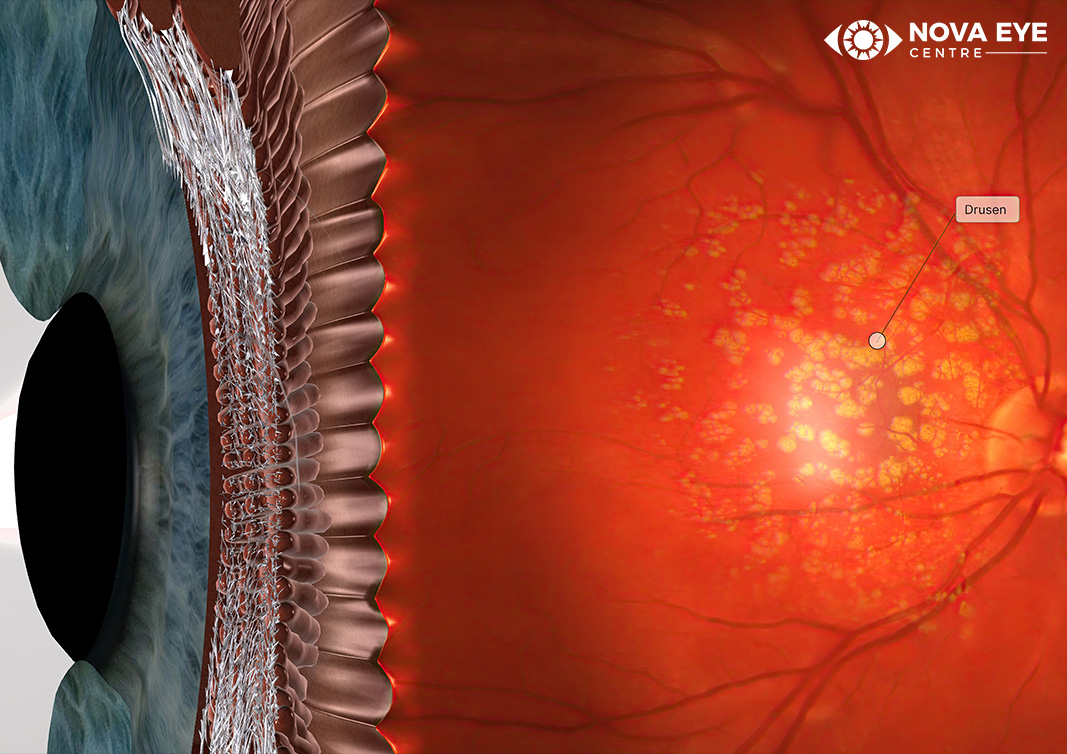
Age-related macular degeneration (AMD) can be classified into dry and wet forms, each with specific management options. Let’s explore the main treatments available and how they help protect your vision.
1. Anti-VEGF Injections
For individuals with wet macular degeneration, abnormal blood vessel growth can lead to rapid central vision loss. Anti-VEGF injections are administered directly into the eye to help slow this growth. These injections aim to reduce swelling and prevent further leakage from the new blood vessels. Some patients may notice improvement in their central vision, while for others, the goal is to maintain the vision they still have. If you are considering this option, an eye specialist can guide the treatment schedule and monitor progress.
2. Laser Therapy
Laser therapy can be considered in certain cases of wet macular degeneration. The procedure uses targeted beams to destroy leaky blood vessels that threaten the retina. While not suitable for everyone, laser treatments can help limit damage in specific scenarios. Patients often receive regular follow-ups at an eye specialist clinic to track the health of the retina after the procedure.
3. Nutritional Supplements (AREDS Formula)
For those with intermediate or advanced dry macular degeneration, research has shown that high-dose vitamins and minerals can support retinal health. The AREDS (Age-Related Eye Disease Study) formula includes a combination of vitamin C, vitamin E, zinc, copper, and beta-carotene or lutein and zeaxanthin. These supplements are not a cure but may slow disease progression, helping maintain vision for longer. Incorporating these into daily routines should be discussed with an eye doctor to ensure proper dosage and suitability.
4. Lifestyle Modifications
Alongside medical treatments, lifestyle changes play a significant role in eye health. Quitting smoking, eating a balanced diet rich in leafy greens, omega-3 fatty acids, and colourful fruits and vegetables can support retinal function. Additionally, protecting the eyes from excessive UV exposure with sunglasses can help reduce long-term damage. These habits may complement other treatments and are recommended for all stages of macular degeneration.
So, what is the best treatment for macular degeneration? There isn’t a single answer. The approach often combines medical interventions such as anti-VEGF injections or laser therapy, alongside nutritional support and lifestyle adjustments. Regular eye check-ups are essential for monitoring disease progression and adjusting treatment as needed.
Understanding what the best available options are and consulting with an eye specialist ensures that the treatment for macular degeneration is tailored to your needs. Whether you’re managing early signs or more advanced forms, being proactive can help protect your vision over time.
If you’re concerned about macular degeneration or looking for guidance to determine what the best treatment for macular degeneration is, schedule a consultation at Nova Eye Centre today. Our team can provide detailed assessments, discuss suitable treatments, and offer personalised advice to help you make informed decisions about your eye health.